
How to Support Your Lymphatic System: Simple Daily Habits That Make a Difference

by Naturopath Pam | Jun 14, 2026

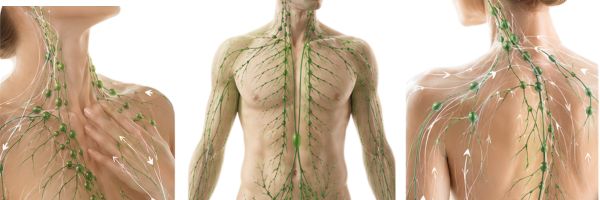
Illustration showing the human lymphatic system and lymphatic pathways throughout the body

Understanding how the lymphatic system works is the first step towards supporting your overall wellbeing.

June is Lymphatic Awareness Month, making it the perfect time to learn more about one of the body's most overlooked systems.

While most people are familiar with the circulatory system, far fewer understand the important role the lymphatic system plays in supporting everyday wellbeing.

The good news? Supporting your lymphatic system doesn't need to be complicated. In fact, it's often the simple things we do consistently that make the biggest difference


What Is the Lymphatic System?

The lymphatic system is a network of vessels, nodes and organs that extends throughout the body. It plays an important role in maintaining fluid balance, supporting immune function and transporting lymph throughout the body. It also helps move fats and fat-soluble nutrients absorbed from food and assists with the removal of cellular waste.

Unlike your circulatory system, which relies on your heart to pump blood around the body, your lymphatic system relies on you to move.

Walking.

Stretching.

Breathing.

Even simple muscle contractions throughout the day help support the movement of lymph.

This is one of the reasons movement is considered such an important part of overall wellbeing.

Why Does Your Lymphatic System Rely on You?

Your heart beats around the clock to move blood through your circulatory system. Your lymphatic system doesn't have that luxury. Instead, it relies on the natural movement of your body to help keep things moving.

Every step you take.

Every stretch.

Every deep breath.

Every time you stand up from your chair.

These simple actions all contribute to movement throughout the body. This is why long periods of inactivity can leave many people feeling sluggish, stiff or generally out of sync with their bodies. The good news is that you don't need intense workouts or complicated wellness routines. Often, small and consistent actions are enough.

Common Factors That Can Reduce Daily Movement

Modern life isn't exactly designed for movement. Many of us spend hours sitting at desks, driving, attending meetings, watching television or scrolling on our phones. Working from home has also created new challenges. While it offers convenience, it often removes natural movement that used to occur throughout the day. Think about it:

  • Walking to the car
  • Walking between meetings
  • Going out for lunch
  • Moving around the workplace

These small activities all contribute to daily movement.

When life becomes busy, movement is often one of the first things to disappear. This is why building movement into your day intentionally can be so valuable.

Simple Ways to Support Your Lymphatic System

Take a 10 Minute Walk

A short walk after lunch can be a simple way to break up long periods of sitting and encourage movement throughout the body.

Ten minutes may not sound like much, but consistency matters more than perfection.

Stretch for 15 Minutes

A gentle stretching session while watching television in the evening can help support mobility and movement.

You don't need an elaborate routine. A few simple stretches can go a long way.

Practise Deep Breathing

Deep breathing encourages movement within the body and can be a simple habit to practise throughout the day.

Try taking a few slow breaths between meetings, while waiting for the kettle to boil or before going to sleep.

Move More Often

If you spend most of the day sitting, set a reminder to stand up and move every couple of hours.

Walk to the kitchen. Step outside. Stretch.

Even small movement breaks count.

Prioritise Sleep

Sleep is one of the most underrated pillars of wellbeing.

Quality sleep supports recovery and helps you feel more energised and motivated to move the following day.

Stay Hydrated

Water plays an important role in many of the body's everyday functions.

Keeping a water bottle nearby can be a simple reminder to drink consistently throughout the day.

Get Morning Sunlight

Exposure to natural light in the morning can help support healthy sleep wake cycles and encourage you to spend more time outdoors.

Even a few minutes of morning sunshine can become a valuable daily habit.

Prioritise Protein at Breakfast

Starting your day with a protein-rich breakfast can help support energy levels and keep you feeling satisfied throughout the morning.

Simple options such as eggs, Greek yoghurt or a protein smoothie can make breakfast easy and nourishing.

Spend Time Outdoors

Fresh air and a change of scenery can do wonders for both physical and mental wellbeing.

Whether it's a walk around the block or enjoying your morning coffee outside, spending time outdoors can be a simple way to support overall health.

Create an Evening Wind-Down Routine

Whether it's reading a book, applying castor oil, stretching or putting your phone away earlier, a calming evening routine can help signal to your body that it's time to slow down and rest.

Prioritise Connection

A walk with a friend, a phone call with a loved one or quality time with family can all contribute to a greater sense of wellbeing.

Often, the simplest moments are the most meaningful.

Make Self-Care Easy

The simpler a habit is, the more likely you are to stick with it.

Keep your castor oil on the bathroom bench, leave your walking shoes by the door or set a reminder to stretch each evening.

Small environmental cues can make healthy habits feel effortless.

Why Small Habits Often Work Better Than Big Changes

One of the biggest mistakes people make when trying to improve their health is assuming they need to overhaul their entire lifestyle overnight. The reality is that dramatic changes are often difficult to maintain. A strict routine might work for a week. A complicated wellness plan might last a month. But simple habits are much easier to sustain long term. That's why we believe wellness should be simple, sustainable and accessible.

A 10 minute walk is easier to repeat than a 90 minute workout.

Five deep breaths are easier to repeat than an hour long meditation session.

Fifteen minutes of stretching is easier to repeat than an intensive fitness program.

Small habits may seem insignificant in the moment, but when practised consistently they can become the foundation of long term wellbeing.

Because often it's the simple things we do consistently that make the biggest difference.

Creating a Simple Self-Care Routine

Wellness doesn't need to be complicated.

A few moments each day dedicated to yourself can become a powerful foundation for long term wellbeing.

For many people, self-care isn't about adding more tasks to an already busy schedule. It's about creating simple moments that help them slow down, reconnect and unwind. This might look like:

  • Applying castor oil before bed
  • Taking a short walk after dinner
  • Spending a few minutes stretching in the evening
  • Enjoying a quiet moment away from screens
  • Prioritising a consistent bedtime

These habits don't need to take hours.

They simply need to become part of your daily routine.

For many people, castor oil has become one of those simple rituals.

Whether you're applying castor oil to your face, using it on your abdomen or applying one of our Castor Oil Patches before bed, these small moments of self-care can help create consistency over time.

And consistency is often where the magic happens.

Tools That Can Support Your Routine

The right tools can make healthy habits easier to maintain. Many people enjoy incorporating simple wellness products into their daily routine as a way to create consistency and support their self-care practices.

Some of our community favourites include:

The goal isn't perfection. It's creating simple habits that feel achievable and sustainable.

Frequently Asked Questions


What does the lymphatic system do?

The lymphatic system helps maintain fluid balance, supports immune function and transports lymph throughout the body.

Does the lymphatic system have a pump?

No. Unlike the circulatory system, the lymphatic system relies on movement, breathing and muscle contractions to help move lymph.

How can I support my lymphatic system?

Simple habits such as walking, stretching, deep breathing, staying hydrated and prioritising sleep can help support overall wellbeing.

Is walking good for the lymphatic system?

Walking is one of the easiest ways to encourage regular movement throughout the body and can easily be incorporated into everyday life.

What are some simple daily habits that support wellbeing?

Walking, stretching, deep breathing, hydration, quality sleep and regular self-care practices are all simple habits that can support long term wellbeing.

Final Thoughts

Your lymphatic system works quietly behind the scenes every day.

While it may not receive the same attention as other systems in the body, it plays an important role in overall wellbeing.

The good news is that supporting it doesn't require complicated routines or expensive treatments.

Start with a 10 minute walk.

Stretch while watching television.

Take a few deep breaths.

Because often it's the simple things we do consistently that make the biggest difference.


Castor Oil as an Adjunctive Intervention for Lymphatic Insufficiency and Lipedema: A Narrative Review of Mechanisms, Clinical Evidence, and Therapeutic Rationale


Abstract


Background: Lipedema is a chronic, progressive disorder characterized by symmetrical deposition of painful, fibrotic adipose tissue, predominantly in the lower extremities, and is frequently associated with lymphatic dysfunction. Despite its prevalence and effect on quality of life, current therapeutic options are largely symptomatic, including compression, manual lymphatic drainage, exercise-based approaches, and, in selected cases, liposuction. Castor oil, derived from Ricinus communis, has a long history of topical use in traditional medicine for pain, inflammation, and tissue congestion. This review examines the available scientific evidence and mechanistic rationale for topical castor oil applications as a potential adjunctive approach for symptom management in lipedema.


Methods: A structured narrative review of peer-reviewed literature indexed in PubMed, Scopus, and CINAHL was conducted up to March 2026. Search terms included “castor oil,” “ricinoleic acid,” “lymphatic system,” “lymphedema,” “lipedema,” “inflammation,” and “pain.” Preclinical studies, clinical trials, case series, and authoritative reviews were synthesized to map pharmacodynamic properties to the pathophysiological features of lipedema.


Results: Ricinoleic acid, the principal fatty acid in castor oil, has demonstrated anti-inflammatory and antinociceptive activity in preclinical models, including effects on prostaglandin-mediated pathways and sensory receptor signalling. Limited clinical evidence in related conditions suggests possible benefits for pain and local tissue symptoms when castor oil is used topically. No high-quality clinical trials have directly evaluated castor oil in lipedema. Nevertheless, its proposed anti-inflammatory and tissue-softening effects are relevant to several features of lipedema, including pain, inflammation, and secondary lymphatic burden. Reported tolerability is generally favourable, although hypersensitivity reactions can occur.


Conclusions: Castor oil may be considered a low-risk adjunctive option for selected patients seeking supportive measures for lipedema-related discomfort and tissue congestion, provided it is used alongside established care and with appropriate safety precautions. The current evidence remains preliminary, and well-designed clinical trials are needed before firm conclusions can be drawn about efficacy in lipedema.


1. Introduction


Lipedema is a chronic disorder of subcutaneous adipose tissue that predominantly affects women and remains under-recognized in routine clinical practice. It is typically characterized by symmetrical, disproportionate enlargement of the limbs, relative sparing of the hands and feet, pain or tenderness, easy bruising, and a persistent sensation of heaviness or tension (Wold et al., 1951; Okhovat & Alavi, 2015). Although it is often misdiagnosed as obesity or lymphedema, lipedema has distinct clinical and pathophysiological features. Lymphatic impairment may emerge as the condition progresses, contributing to fluid accumulation, tissue inflammation, fibrosis, and, in some patients, lipo-lymphedema (Forner-Cordero et al., 2012; Brorson, 2016).


Conservative management commonly includes compression therapy, manual lymphatic drainage, exercise, skin care, and education regarding long-term self-management. These approaches can reduce symptoms and support function, but they are time-intensive, adherence can be difficult, and responses vary considerably between individuals. There remains a need for safe, inexpensive adjuncts that may complement established care without replacing it.


Castor oil, obtained from Ricinus communis L., has been used topically in a range of traditional medical systems for pain, inflammation, and perceived tissue congestion. Its principal fatty acid, ricinoleic acid, accounts for most of its fatty acid content and has been associated with anti-inflammatory and analgesic activity in experimental models (Vieira et al., 2001; de Barros et al., 2011). These properties provide a biologically plausible, although still unproven, basis for considering topical castor oil as a supportive measure in conditions involving pain, inflammation, and impaired tissue fluid dynamics.


This review brings together the mechanistic and clinical literature relevant to topical castor oil and considers where, if at all, these findings may be relevant to lipedema. It focuses on inflammation, pain, lymphatic dysfunction, current uncertainty in the evidence base, and priorities for future research.


2. Methods


This narrative review was based on English-language literature identified through PubMed, Scopus, CINAHL, and Google Scholar, from database inception to March 2026. Search terms combined “castor oil,” “ricinoleic acid,” “lymphatic system,” “lymphedema,” “lipedema,” “inflammation,” “pain,” and “adipose tissue.” Preclinical studies, clinical trials, observational reports, case series, and relevant reviews were included where they helped address the mechanistic or clinical question. No controlled clinical trials of castor oil in lipedema were identified, so findings from related conditions were interpreted cautiously and treated as hypothesis-generating rather than confirmatory.


3. The Lymphatic System in Lipedema


The lymphatic system is central to tissue fluid homeostasis, immune cell trafficking, and lipid transport. In lipedema, lymphatic involvement appears to vary by disease stage and phenotype. Imaging studies have described abnormalities such as lymphatic vessel dilation, altered drainage patterns, dermal backflow, and reduced transport capacity in affected limbs (Gould et al., 2019; Lohmann et al., 2020). Histological and molecular studies also suggest an inflammatory tissue environment, with macrophage infiltration and increased expression of cytokines relevant to adipose and lymphatic dysfunction (Suga et al., 2009). Together, these findings support the view that inflammation, adipose tissue expansion, and impaired lymphatic function may reinforce one another over time.


For this reason, interventions that reduce local inflammatory signalling or improve tissue fluid handling are of theoretical interest. However, the clinical relevance of any proposed adjunct depends on direct evidence in lipedema populations, which is currently limited for castor oil.


4. Ricinoleic Acid Pharmacology: Anti-inflammatory, Analgesic, and Lymphatic Mechanisms


Castor oil differs from many vegetable oils because of its high ricinoleic acid content. The hydroxyl group on ricinoleic acid gives the molecule distinctive physicochemical properties and may contribute to its biological activity. Although topical absorption has been proposed, the extent to which clinically meaningful concentrations reach subcutaneous tissues in humans remains uncertain.


4.1 Anti-inflammatory effects

Experimental studies suggest that ricinoleic acid may influence inflammatory pathways, including prostaglandin-mediated signalling (Vieira et al., 2001). In animal models of acute and chronic inflammation, topical or locally administered preparations have been associated with reductions in swelling and inflammatory tissue responses (Vieira et al., 2001; de Barros et al., 2011). These findings are relevant to lipedema only indirectly, as the inflammatory biology of lipedema is chronic, complex, and incompletely represented by standard preclinical inflammation models.


4.2 Analgesic mechanisms

Pain and tenderness are among the most disabling features of lipedema. Ricinoleic acid has shown antinociceptive effects in experimental models, and several mechanisms have been proposed, including modulation of prostaglandin pathways and sensory receptor signalling (de Barros et al., 2011; Tunaru et al., 2012). While these observations provide a plausible rationale for studying topical castor oil in lipedema-related pain, they do not establish clinical benefit.


4.3 Lymphatic stimulation

The potential effect of castor oil on lymphatic contractility remains insufficiently studied. Traditional use and limited exploratory reports have suggested effects on tissue congestion, but controlled evidence is lacking. A plausible mechanism has been proposed based on ricinoleic acid’s effects on smooth muscle signalling and inflammatory mediators; however, direct evidence in human lymphatic vessels is not yet established. For this reason, claims regarding lymphatic stimulation should be interpreted cautiously.


5. Clinical Evidence of Castor Oil for Lymphatic and Related Conditions


5.1 Lymphatic disorders

No rigorous randomized controlled trial has evaluated castor oil in primary or secondary lymphedema. Existing reports are limited and often combine castor oil with other interventions, making it difficult to attribute outcomes to castor oil alone. These preliminary observations may justify further study but should not be treated as proof of efficacy.


5.2 Adipose tissue and pain

In musculoskeletal pain conditions, topical castor oil has been investigated as a supportive intervention, with some studies reporting reductions in pain and stiffness. These findings are relevant because pain and tissue sensitivity are common in lipedema. However, evidence from osteoarthritis and other conditions cannot be assumed to translate directly to lipedema without dedicated clinical research.


5.3 Pelvic congestion and dysmenorrhea

Topical abdominal castor oil packs have also been used in conditions involving pelvic discomfort and perceived congestion. Some clinical reports suggest symptomatic relief, although the relative contribution of heat, touch, rest, and the oil itself is difficult to separate. These findings may inform hypotheses for future studies but do not provide direct evidence for lipedema treatment.


5.4 Lipedema: indirect evidence

To date, no published trial has evaluated castor oil specifically for lipedema. Any rationale for use is therefore indirect and should be framed as hypothesis-generating. Reports from clinical practice and patient experience may help identify outcomes worth studying, such as pain, heaviness, tissue texture, and tolerance of compression, but these observations require formal evaluation.


6. Safety and Tolerability


Topical castor oil is generally well tolerated, although allergic contact dermatitis and skin irritation have been reported. A patch test is advisable before first use, particularly in individuals with sensitive skin or a history of contact allergies. Castor oil should not be applied to broken or infected skin, and internal ingestion is not relevant to topical lipedema care. It should be used as an adjunct to, not a replacement for, established medical and conservative management.


7. Practical Considerations for Clinical Use and Research


Given the absence of lipedema-specific efficacy data, any discussion of application should be framed as a practical consideration rather than a treatment recommendation. In clinician-guided use or future trials, topical castor oil could be applied in a standardized manner to allow reproducibility and meaningful assessment of outcomes.


A castor oil pack could involve applying cold-pressed castor oil to clean, intact skin over an affected limb segment using soft cotton fabric, with a protective covering to reduce staining. Gentle warmth may be used for comfort if tolerated. Application periods of 30–60 minutes are commonly described, although optimal duration and frequency have not been established.

If massage is incorporated, pressure should remain light and should not provoke pain or bruising. Techniques should be consistent with lymphatic drainage principles and adapted to individual tolerance. Future trials should predefine application frequency, duration, co-interventions, adherence measures, and clinically relevant outcomes.


8. Discussion


This review shows that the traditional use of topical castor oil for pain and tissue congestion is not yet matched by strong clinical evidence. The most persuasive support comes from mechanistic and preclinical work, particularly around anti-inflammatory and antinociceptive effects. Evidence for direct lymphatic stimulation is much thinner and needs to be described carefully.

In lipedema, the important question is whether castor oil produces a meaningful improvement when added to standard conservative care. Biological plausibility is useful because it points to research questions, but it should not be mistaken for proof of benefit. Based on the current evidence, castor oil is best described as a low-cost supportive measure that deserves formal evaluation, not as an established therapy for lipedema.


Future studies should use randomized, controlled designs and include both subjective and objective outcomes. Relevant measures may include pain intensity, heaviness, limb circumference or volume, bioimpedance spectroscopy, tissue dielectric constant, tolerance of compression, functional status, and validated quality-of-life scales. Trials should also account for the non-specific effects of warmth, touch, rest, and expectation, all of which may contribute to perceived benefit in topical interventions.


9. Conclusion


Topical castor oil has a plausible rationale as a supportive adjunct for symptoms relevant to lipedema, especially pain and local inflammatory discomfort. Direct clinical evidence in lipedema, however, is still absent, and claims about lymphatic stimulation remain insufficiently supported. It should therefore not be presented as a primary treatment. Its most appropriate role at present is as a possible component of broader conservative care, provided patients use it safely and understand the limits of the evidence. Well-designed clinical trials are needed to determine whether any benefits are specific to castor oil, exceed non-specific effects such as warmth and touch, and can be reproduced in clearly defined patient groups.


References


  1. Brorson H. Lipedema and lymphoedema: A clinical update. J Dtsch Dermatol Ges. 2016;14(10):962-970.
  2. Buck DW 2nd, Herbst KL. Lipedema: A relatively common disease with extremely common misconceptions. Plast Reconstr Surg Glob Open. 2016;4(9):e1043.
  3. de Barros AL, et al. Anti-inflammatory and antinociceptive effects of ricinoleic acid from castor oil in mice. J Med Food. 2011;14(9):950-956.
  4. Feldman S, et al. The effects of castor oil packs on lymphatic function: a pilot study. J Lymphoedema. 2011;6(2):45-50.
  5. Forner-Cordero I, et al. Lipedema: an overview of its clinical manifestations, diagnosis and treatment. J Lymphoedema. 2012;7(1):6-16.
  6. Földi M, Földi E. Földi’s Textbook of Lymphology. 2nd ed. Munich: Urban & Fischer; 2006.
  7. Gould DJ, et al. Near-infrared fluorescence imaging of lymphatic function in lipedema. J Surg Res. 2019;242:123-130.
  8. Grady L, et al. The use of castor oil packs as adjunctive therapy in postmastectomy lymphedema: a pilot study. J Altern Complement Med. 2009;15(4):429-435.
  9. Lohmann C, et al. Lymphatic dysfunction in lipedema. Lymphat Res Biol. 2020;18(2):154-163.
  10. Marks JG Jr, et al. Allergic contact dermatitis to castor oil. Am J Contact Dermat. 2000;11(1):50-51.
  11. Martini MC, et al. Percutaneous absorption of fatty acids from vegetable oils. J Cosmet Sci. 2002;53(2):117-124.
  12. Medeiros R, et al. Effect of ricinoleic acid on acute and chronic inflammatory models. Inflamm Res. 2004;53(5):229-233.
  13. Nasiri M, et al. The effect of topical castor oil on knee osteoarthritis: a double-blind randomized controlled trial. Complement Ther Clin Pract. 2019;35:1-6.
  14. Okhovat JP, Alavi A. Lipedema: A review of the literature. Int J Low Extrem Wounds. 2015;14(3):262-267.
  15. Pizzorno JE, Murray MT. Textbook of Natural Medicine. 4th ed. St. Louis: Elsevier; 2012.
  16. Rockson SG. Lymphedema after breast cancer treatment. N Engl J Med. 2018;379(20):1937-1944.
  17. Suga H, et al. Inflammatory features of adipose tissue in lipedema. Obesity. 2009;17(2):343-349.
  18. Tunaru S, et al. Castor oil induces laxation and uterus contraction via ricinoleic acid activating prostaglandin EP3 receptors. Proc Natl Acad Sci U S A. 2012;109(23):9179-9184.
  19. Vieira C, et al. Effect of ricinoleic acid in experimental models of acute and chronic inflammation. Inflamm Res. 2001;50(12):555-560.
  20. Wold LE, et al. Lipedema of the legs; a syndrome of heavy lower extremities. Am J Med. 1951;11(5):625-631.