
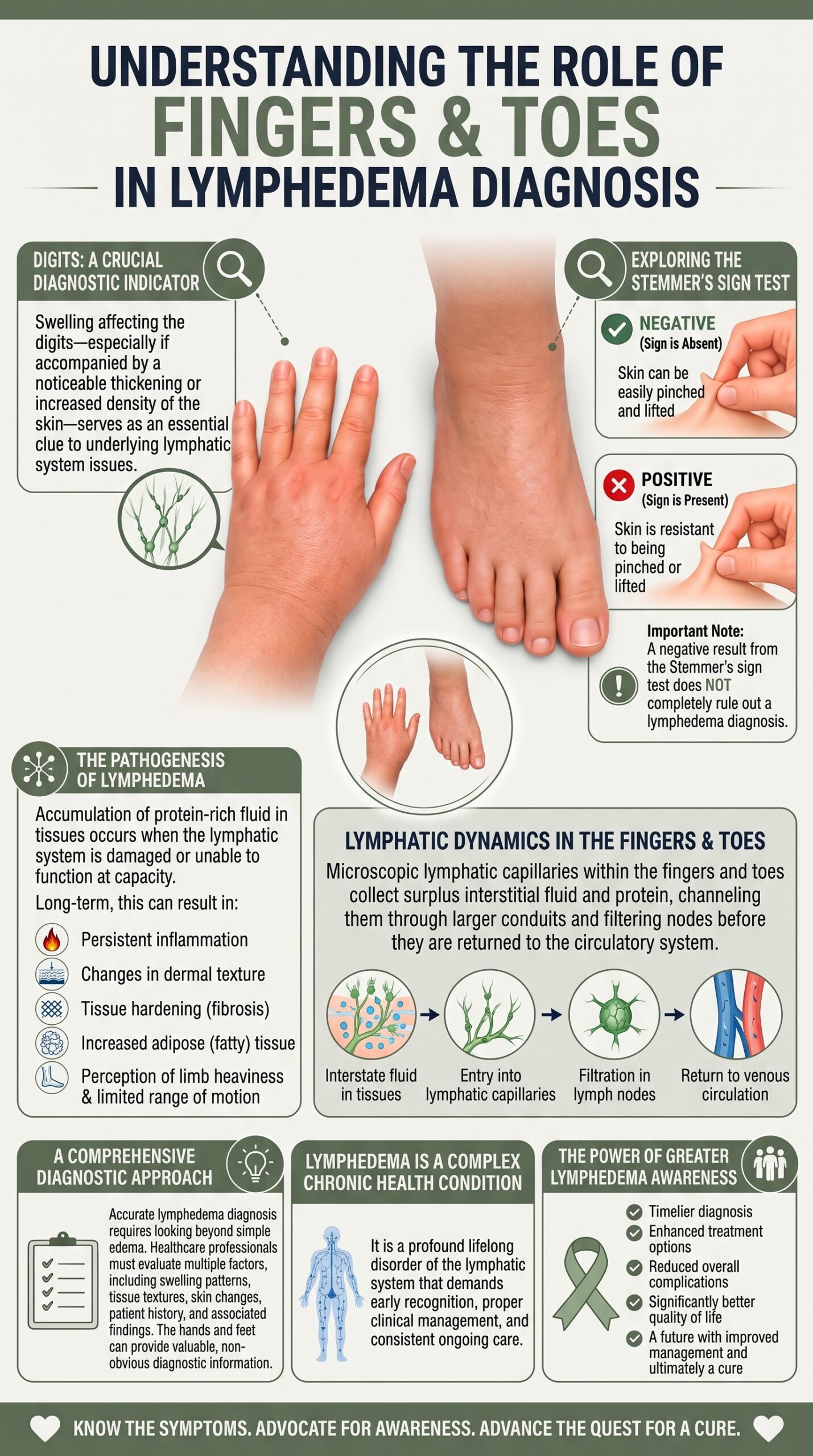
 Lymphedema is a chronic, often misunderstood condition that develops when the lymphatic system is damaged or cannot function properly. Protein-rich fluid then accumulates in the tissues, causing swelling, discomfort, and other complications. A key diagnostic clue is Stemmer’s sign: swelling that makes it difficult to pinch the skin on top of the toes or fingers. Early recognition is essential to manage this lifelong condition and limit its progression.
Although lymphedema has no cure, its symptoms can often be managed through therapy and lifestyle changes. Two commonly discussed approaches are manual lymphatic drainage (MLD) and dietary adjustments, including adequate trace-mineral intake. This article examines the benefits and limitations of both.
The Role of Lymphatic Massage
Manual lymphatic drainage (MLD) is a core lymphedema treatment. This gentle, specialised massage stimulates lymph flow, directing fluid away from swollen areas toward functioning lymph nodes so it can return to the bloodstream.
Evidence-Based Benefits
For people with impaired lymphatic function, MLD may provide several evidence-based benefits:
- Reduces swelling: By moving stagnant lymph fluid, MLD can reduce limb volume and improve comfort.
- Supports comprehensive treatment: MLD works best as part of complete decongestive therapy (CDT), alongside compression garments, careful skin care, and exercise—the standard approach to lymphedema management.
- Improves mobility and comfort: Reducing fluid buildup can ease heaviness and tightness, increase range of motion, and improve quality of life.
- May support psychological wellbeing: Some research suggests MLD may reduce distress and symptoms of depression in people managing lymphedema.
These benefits apply specifically to impaired lymphatic function. Claims that MLD detoxifies the body or causes weight loss in healthy people lack substantial scientific support. With a healthy lymphatic system, its effects are more likely to be temporary cosmetic changes or relaxation.
Important Precautions
Lymphatic massage is a medical therapy and is not suitable for everyone. It should be avoided or closely supervised in people with:
- Congestive heart failure: Moving fluid too quickly may strain the heart.
- Blood clots or deep vein thrombosis: Massage may dislodge a clot.
- Active infections: Massage may spread infections such as lymphangitis.
- Kidney or liver disease.
For these reasons, MLD should be provided by a certified lymphedema therapist or another healthcare professional trained in the technique. They can also teach patients to perform self-massage safely and effectively.
The Role of Nutrition and Trace Minerals
There is no specific “lymphedema diet,” but nutrition can support management by reducing inflammation, helping maintain a healthy weight—because obesity is a risk factor—and promoting overall health.
Why Trace Minerals May Matter
Trace minerals are needed in small amounts for immune function, wound healing, and enzyme activity. These functions are especially important in lymphedema because affected skin is more vulnerable to infections such as cellulitis and requires strong healing capacity.
Researchers have investigated the link between lymphedema and trace minerals for decades. A 1990 study of blood samples from 84 people with lymphedema identified altered levels of zinc, iron, cobalt, and selenium. The researchers suggested that analysing these trace elements might help assess the condition.
More recent nutrition guides for lymphedema and lipedema also discuss vitamins, minerals, and supplements. Adequate intake of nutrients such as selenium and zinc may support natural defence and repair processes. Selenium acts as an antioxidant and supports thyroid function, while zinc is essential for wound healing and immune health.
A Note of Caution
Although trace minerals are essential, misinformation can complicate dietary choices. For example, replacing table salt with Himalayan pink salt is sometimes promoted for lymphedema. However, Himalayan salt is not a reliable source of iodine, an essential mineral added to regular iodised salt to support thyroid health. Evidence-informed nutrition guidance helps prevent unintended deficiencies.
Conclusion
Lymphedema is a complex condition that requires comprehensive, informed care. Swelling in the fingers or toes can provide an important diagnostic clue, but the condition extends beyond oedema alone. MLD is a clinically established option for managing symptoms and improving quality of life, but it must be used appropriately as a medical therapy.
Good nutrition, including adequate trace-mineral intake, is also an important part of supportive self-care. By understanding available treatments and lifestyle measures, people with lymphedema can manage their condition proactively and advocate for appropriate care.